What responsibility does a creator have when they publicly accuse someone of unethical behaviour?
What do I mean by unethical behaviour? For the sake of this article, I’m thinking of two things that keep popping up in the book community: AI accusations and plagiarism. Generative AI use in the book community is a hot topic and I see new accusations daily, from talk of authors using it in their books to calling out other book accounts for using it. I’ve also come across lots of chatter about plagiarism.
With this in mind it has me thinking about this question a lot and it doesn’t just apply to book creators. If you have 1000s of followers and you put someone on blast, you also have to accept that you have the responsibility that what you are saying is truthful and factual. And you might be thinking, “I’m just sharing my opinion” but your influence has power, your audience trusts you and you benefit directly from the reach that comes from having a platform.
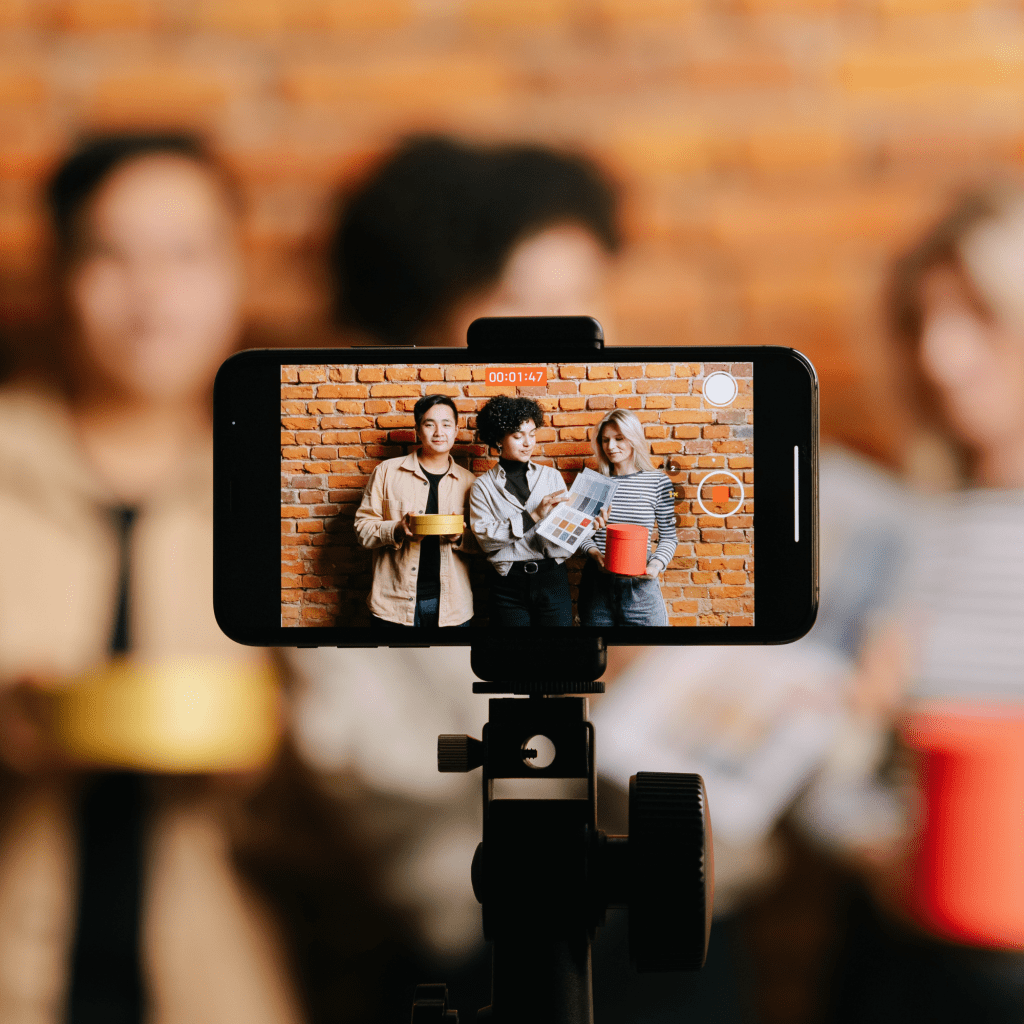
While every individual is responsible for their own actions, if you are putting out content about a highly charged situation or accusation, you have to realise that it will attract a reaction and no amount of “don’t harass this person” disclaimers you have, certain people will take, your take as permission to further their own agenda.
At the moment there is no widely accepted ethical standard that applies to content creators in the way there is for traditional media. Should information be verified before posting, should they distinguish fact from speculation? And if new or updated information comes to light are they obligated to update and correct themselves or even remove content if things change?
And sometimes do these creators even realise the potential harm they could be causing from their content? They may genuinely think they have caught AI use or found plagiarism, they aren’t necessarily lying or being intentionally misleading, they are simply wrong, which is why it’s so important they have substantial evidence to back up their claims.
So why does this matter? Sharing unverified or false information about a person can cause permanent damage to their reputation and career, not to mention the mental toll it can take. Then there is the legal repercussions, take a look at the deformation case Cardi b vs YouTuber Tasha K, this is a great example of a creator spreading false information and having to face the legal repercussions.
On the flipside, what responsibility do we have as viewers? Because often comment sections are just as damning. Maybe instead of immediately agreeing, we need to ask more questions. Is the information presented factual? Where did this information come from? Is it trustworthy or is it for engagement? As an audience we have a responsibility to hold content creators accountable and not just take what they are saying as verbatim.

If we see something online we shouldn’t just assume it’s correct, this feels like something I was constantly told at the dawn of the internet, but it’s worth repeating because it seems like it has gotten lost somewhere. If you are not certain its true the best thing we can do is not amplify it and if we do see something we know isn’t true we have the responsibility to not engage, each view, click and comment feeds into the problem. The other thing we have to bear in mind when we consume content, information can be conveyed very confidently and be totally wrong. Confidence does not equal credibility.
I’m not saying we shouldn’t be calling out people for genuine bad behaviour, there absolutely are situations where things must be investigated. What I am saying is the more serious an accusation is the stronger the evidence needs to be. For example lets say you are reviewing a book you may say, “I didn’t like the prose” no evidence needed, its a personal preference but if you say “I didn’t like the prose, it’s a copy of another book” that’s an accusation of plagiarism and you need evidence to back it up, if your write “I didn’t like the prose, the author must have used ai to write this” you need even stronger evidence to back it up.

One of the negative side effects of social meda is that it’s made it easier to publish accusations then publishing corrections and this because, and you may have guessed it, how the algorithm works. Outrage is fuel and nuance and corrections are lost to the ether and because most of us know this, it’s even more imperative that information shared is factual and truthful.
All this brings me to a bigger question…
Should creators be held to a higher standard than ordinary users because they profit from attention?


One thought on “The Responsibility of Having a Platform: When Online Accusations Go Too Far.”
Comments are closed.